A Practical Guide to Seasonal Dining
How a small restaurant can make a seasonal menu feel generous, grounded and easy for guests to understand.
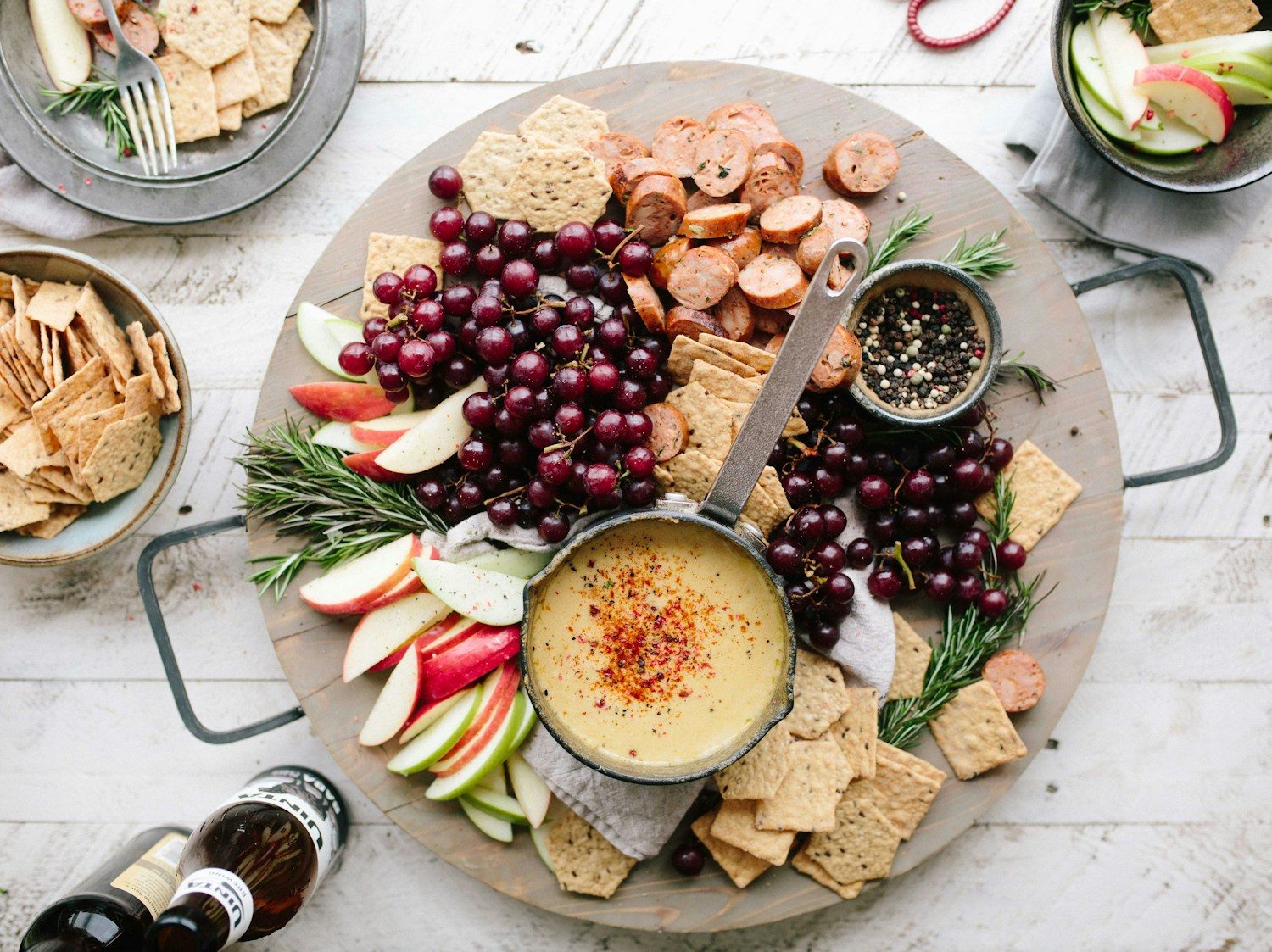
Seasonal dining works best when it feels natural to the guest. A menu does not need to announce every farm by name or overload the page with provenance. It needs to show that the kitchen is paying attention.
At Taverno, we begin with texture and temperature. Early spring gives us crisp greens, young herbs and vegetables that want quick heat. Late summer asks for tomatoes, stone fruit, olive oil and restraint. The strongest menus usually leave room for the ingredients to speak clearly.
Keep the Promise Simple
Guests should understand the restaurant’s point of view in a few seconds. A short phrase like “wood fire, handmade pasta and market vegetables” says more than a long paragraph of vague philosophy.
Let the Menu Move Slowly
Change matters, but too much movement can make regulars feel unmoored. We keep a few anchors on the menu and let the vegetables, sauces and pairings shift around them.
Make Seasonality Useful
Seasonal cooking is not a badge. It should help guests choose what to eat tonight. Use clear descriptions, thoughtful pairings and staff notes that make the best dishes easy to find.